hero media

10 iPhone hacks to take travel photos like a pro

The new iPhone is almost here, and it could change the way we capture our travels.

I have been hanging out for the iPhone 17 Pro to launch before upgrading my iPhone 14 Pro. Back when I bought the 14 Pro, it was top of the line, but smartphone cameras are advancing at lightning speed. Every generation seems to reinvent what pocket photography can do, and this one has me particularly excited. With three 48MP rear lenses, improved low-light performance and cinematic zoom, it will be like carrying a mini DSLR in my carry-on.
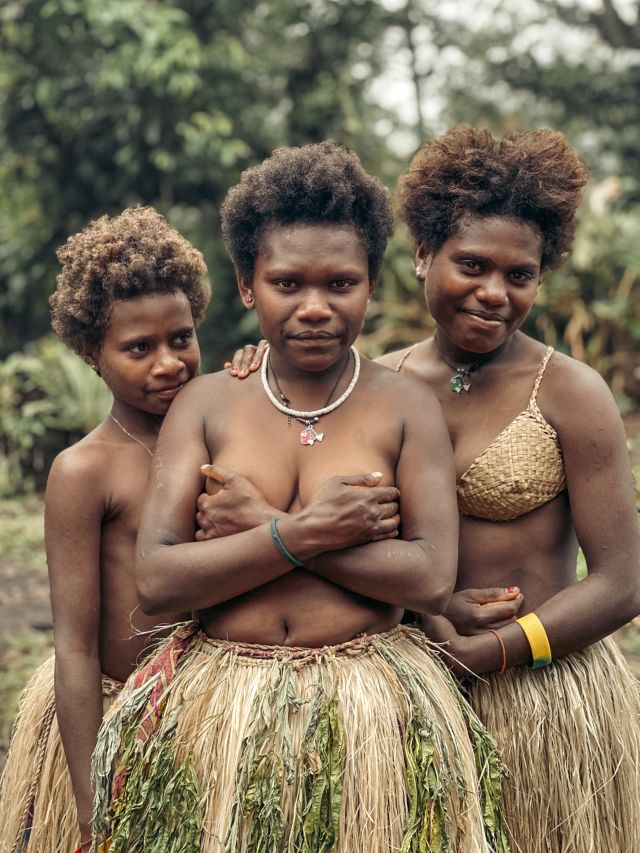
Three women of the Yakel tribe in Tanna, Vanuatu
A photo of three women from the Yakel tribe taken on an iPhone 14 Pro. (Image: Emily Murphy)

Now, before you say that iPhone photos will never quite measure up to a real DLSR, which is true to an extent, iPhone quality isn’t what it used to be. I’ve had multiple images published in our print magazines that I took on my iPhone, including a stunning portrait of three young women from the Yakel tribe in Tanna, Vanuatu, which is the best picture I’ve ever taken.

And because I travel for a living, I have learnt that even the best camera is wasted without the right tricks. Here are the hacks I swear by to take my iPhone travel photos from “holiday snaps" to “wish you were here" moments.

1. Use the grid for symmetry
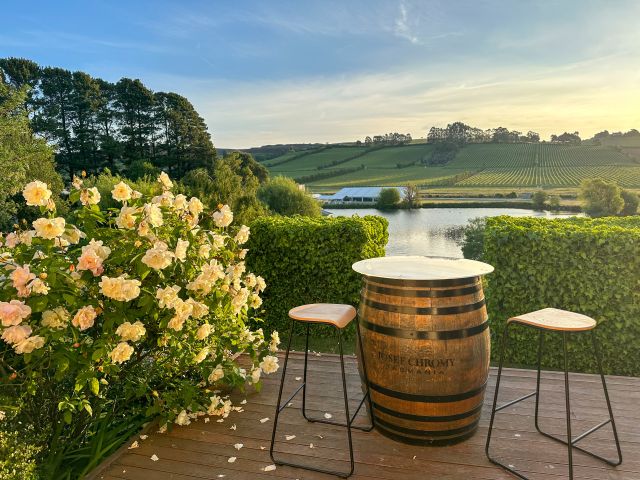
Josef Chromy Wines in Launceston, Tasmania
The grid is your trusty sidekick. (Image: Emily Murphy)

Head to Settings > Camera > Grid and switch it on. Lining up the horizon on the lower third makes that endless outback road look like it belongs on a movie poster.

2. Shoot in ProRAW
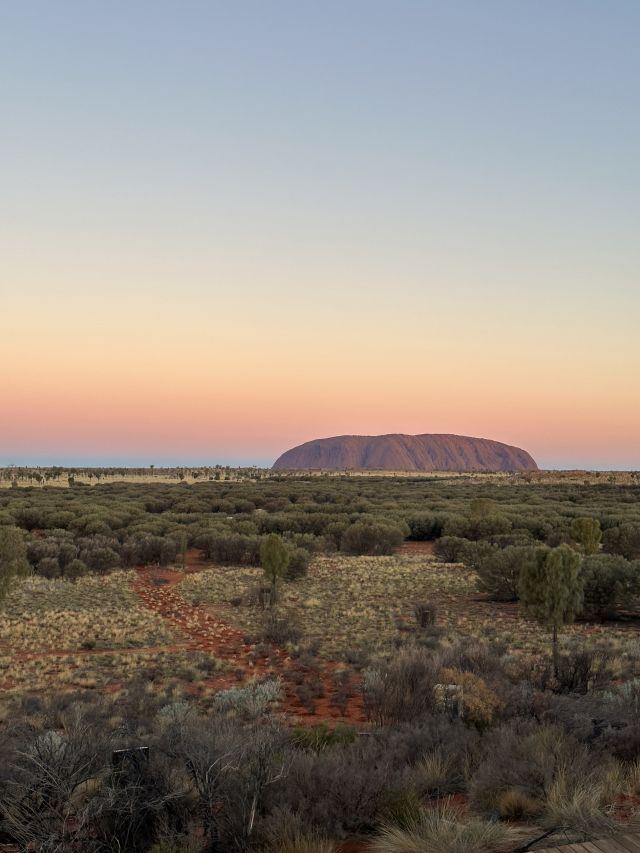
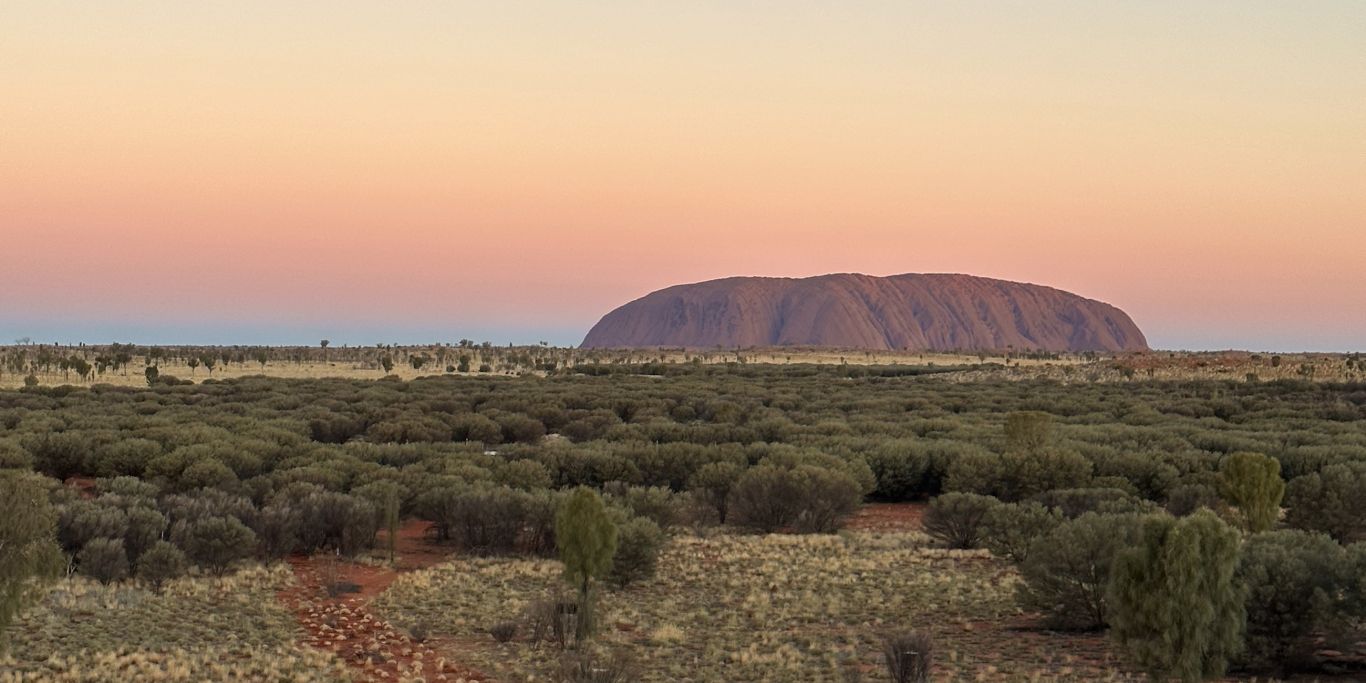
Uluru at sunset
Shoot in ProRAW and edit the image later. (Image: Emily Murphy)

Standing at the base of Uluṟu or floating on a canoe in the Cocos Keeling Islands deserves more than a quick snap. Switch to ProRAW mode to capture all the detail you can, then polish it later without losing sky colour or texture.

3. Master night mode

From street food markets in Melbourne to light shows in Adelaide, night mode on the iPhone 17 Pro captures vibrant colour and sharp detail. Hold steady for a few seconds and watch the magic appear.

4. Use the telephoto lens with confidence
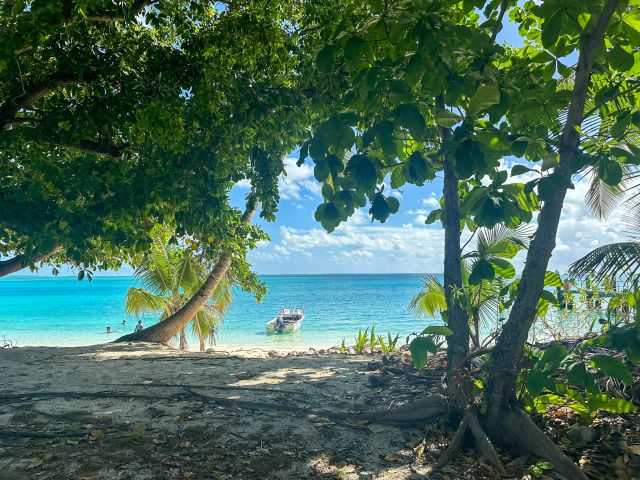
Direction Island in the Cocos Keeling Islands
For the first time ever, all three iPhone lenses are the same quality. (Image: Emily Murphy)

Sometimes you cannot get closer, like when you are peering over a cliff edge or watching wildlife from afar. The 17 Pro’s new 5x telephoto zoom makes it possible to frame details without sacrificing quality.

5. Go ultra-wide for landscapes
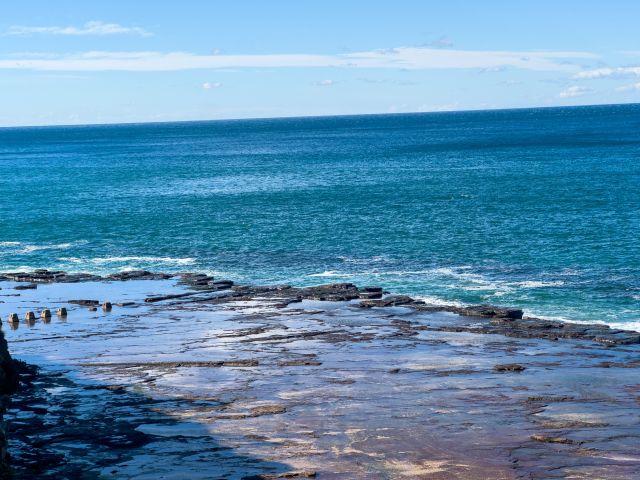
Wollongong oceanscape
Use ultra-wide to show scale. (Image: Emily Murphy)

From Tasmania’s Bay of Fires to The Kimberley’s Horizontal Falls, the ultra-wide lens is perfect for showing the scale of a place. Tilt your phone upwards slightly to exaggerate the height of cliffs or mountains.

6. Capture motion with Live Photos

Hold down the shutter to record a few seconds of movement. Crashing waves, lanterns drifting into the sky, or a kookaburra mid-flight will bring your memories to life. Later, you can even turn these into long exposure shots.

7. Edit on the fly
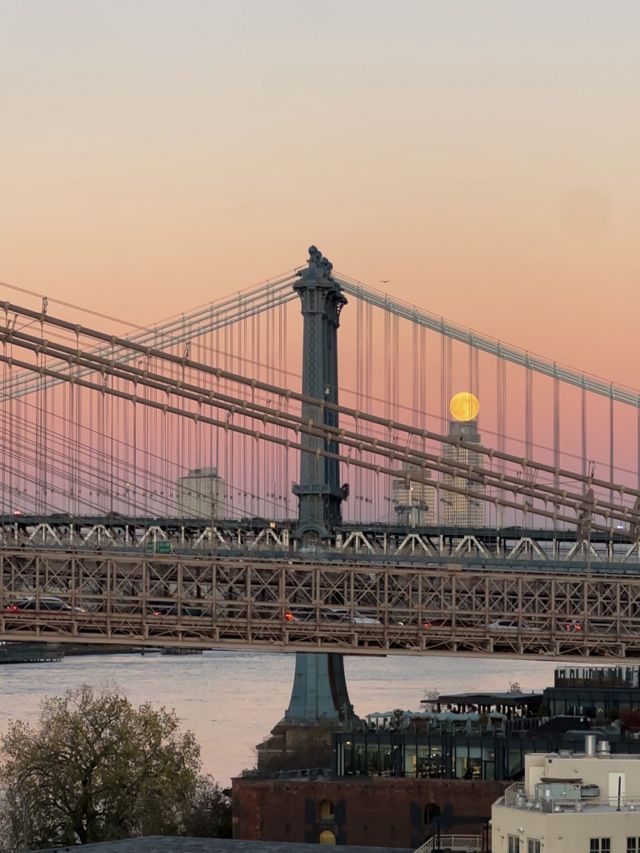
Sunset in Brooklyn, NYC
Edit your pictures as you go. (Image: Emily Murphy)

Travelling light? The built-in editing tools do more than enough. Bring out shadows, soften highlights and use the vibrance slider instead of saturation for natural-looking colour.

8. Clean the lens every time
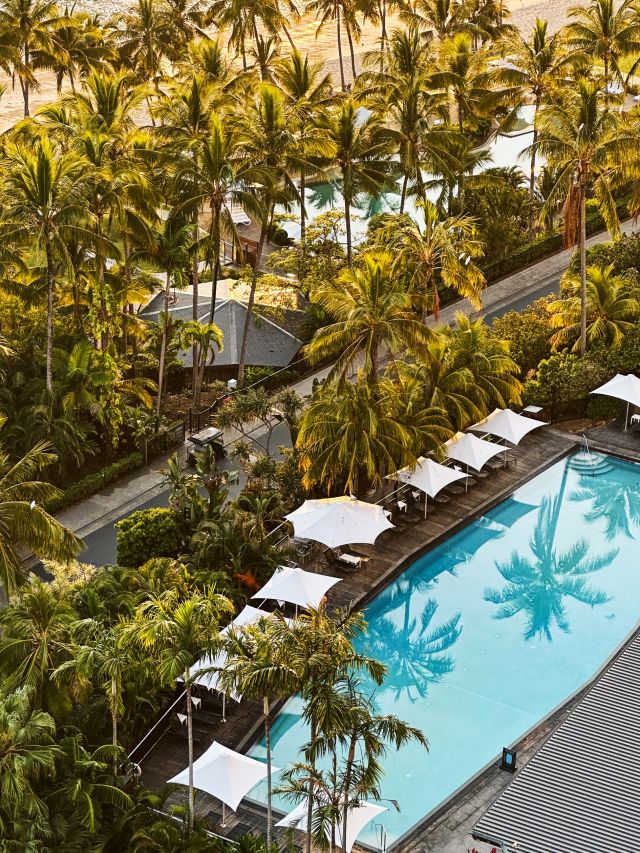
Hamilton Island
Don’t forget to clean your lens. (Image: Emily Murphy)

It sounds basic, but a quick wipe before shooting makes all the difference. Think of it as part of your pre-photo ritual.

9. Pack a pocket light

Natural light is king, but travel does not always deliver perfect conditions. A small portable light can rescue a dim hotel room, a moody restaurant, or a shadowy temple interior. I always carry one, and it makes a huge difference. This is the one I use .

10. Shoot video with intention

If you haven’t added the Cocos Keeling Islands to your bucket list, now’s your time!

The iPhone 17 Pro is a beast for video, with cinematic mode, stabilisation and Dolby Vision HDR. The trick is to treat it like you are directing a film. Move slowly, only pan with purpose and use both hands for stability. Bonus points if you have a gimbal. Short clips are best for editing later, and always think about capturing sound – a bustling market or crashing waves can bring your travel video to life.

The iPhone 17 Pro is already a powerhouse for travel photography, but the real magic comes when you learn how to use it well. With a few simple hacks, your shots will capture the spirit of your travels so vividly that your friends will feel like they are right there beside you.


Emily Murphy
Emily Murphy is Australian Traveller's Email & Social Editor, and in her time at the company she has been instrumental in shaping its social media and email presence, and crafting compelling narratives that inspire others to explore Australia's vast landscapes. Her previous role was a journalist at Prime Creative Media and before that she was freelancing in publishing, content creation and digital marketing. When she's not creating scroll-stopping travel content, Em is a devoted 'bun mum' and enjoys spending her spare time by the sea, reading, binge-watching a good TV show and exploring Sydney's vibrant dining scene. Next on her Aussie travel wish list? Tasmania and The Kimberley.
View profile and articles
hero media

The best new accommodation along the Great Ocean Road

    Louis Costello Louis Costello
    A new wave of retreats, hotels, glamping sites and more is encouraging visitors to savour their time spent along the Great Ocean Road.

    Long holding a place as one of Australia’s most rewarding drives, cliffs, curves and shifting coastal light continue to draw travellers to Victoria’s coastline year after year. What has evolved more quietly is the range of new accommodation along the Great Ocean Road to add new dimensions to the drive.

    Rather than competing for attention, these stays are shaped by their settings. They sit beside rivers, among vines, on the edge of lakes and close to town centres where local life unfolds at an unhurried pace. Together, they point to a way of travelling the Great Ocean Road that values time spent in place, as much as distance covered.

    1. The Monty, Anglesea

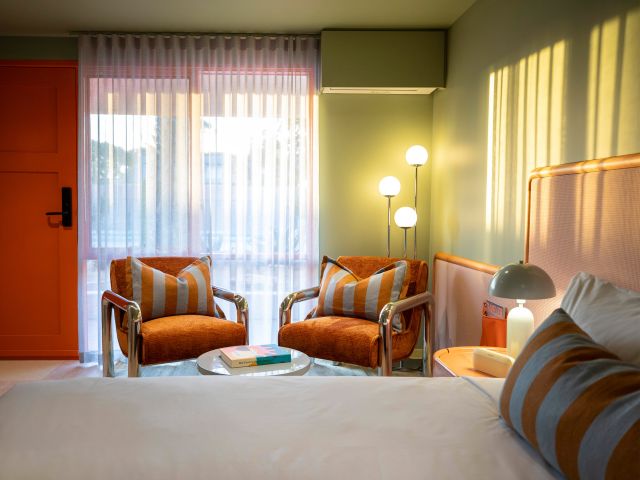
    inside a classic room at The Monty Anglesea Great Ocean Road
    Settle into The Monty’s unique style.

    Anglesea has always appealed to travellers drawn to a quieter stretch of coast, where surf culture, bushland and river scenery blend into one. The Monty complements that character with a recent rebrand and refresh with traditional beach road trip nostalgia in mind. Mid-century retro decor means rooms are contemporary and funky, without being over-styled.

    A highlight of the stay is Nina Cantina, the on-site Mexican restaurant overlooking the Anglesea River. Opening in 2026, it will undoubtedly become a popular gathering point, bringing together locals, day trippers and overnight guests. Watch the river flow while tucking into plates of tacos, before enjoying a digestion swim in The Monty’s pool.

    Mornings in Anglesea often begin quietly. Kangaroos are a familiar sight on the nearby golf course, and walking tracks wind through heathland that reflects the natural landscape of the Surf Coast. From here, the road south feels like a continuation rather than a departure, easing travellers into the next stretch of the journey.

    2. Basalt Retreats, Port Fairy

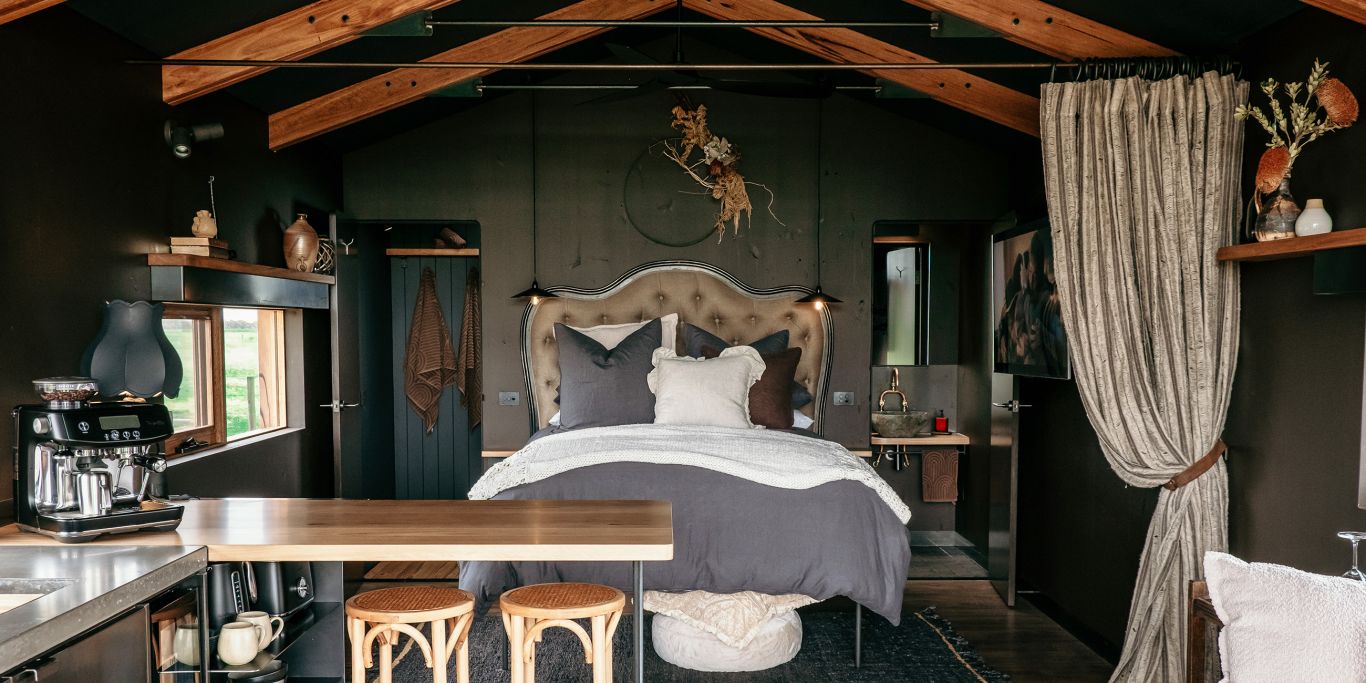
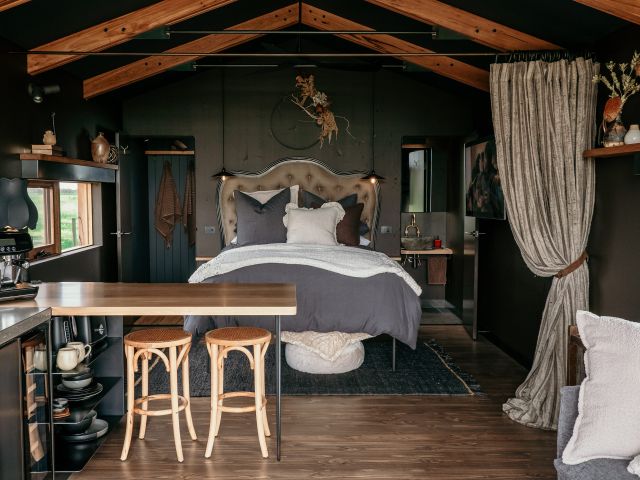
    Basalt Retreat Private Villa interior
    Discover this new adults-only retreat.

    Near Port Fairy, Basalt Retreats is an adults-only delight set among a 24-year-old vineyard at Basalt Wines . The accommodation is a mixture of luxury and linens (and ultra comfy beds), allowing the long stretches of grapes to take centre stage. As the sun sets, Basalt Retreats settles into stillness. With minimal light pollution, the night sky becomes part of the experience, and star-searchers will delight in the uninterrupted views of our vast universe.

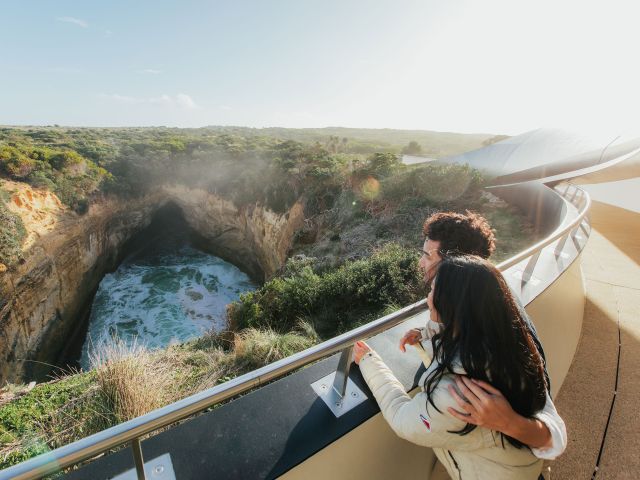
    Poombeeyt Koontapool lookout
    See Poombeeyt Koontapool from the lookout.

    Staying along the Great Ocean Road western region gives you en route access to coastal landmarks. A visit to Poombeeyt Koontapool at Loch Ard Gorge is a must for those fascinated by natural blowholes, with enough walking trails to tucker out the most seasoned hiker.

    The Poorpa Yanyeen Meereeng Trail between Timboon and Port Campbell reveals how wetlands, farmland and coastline connect across the region, best appreciated on foot or by bike.

    3. Lake Colac Holiday Park, Colac

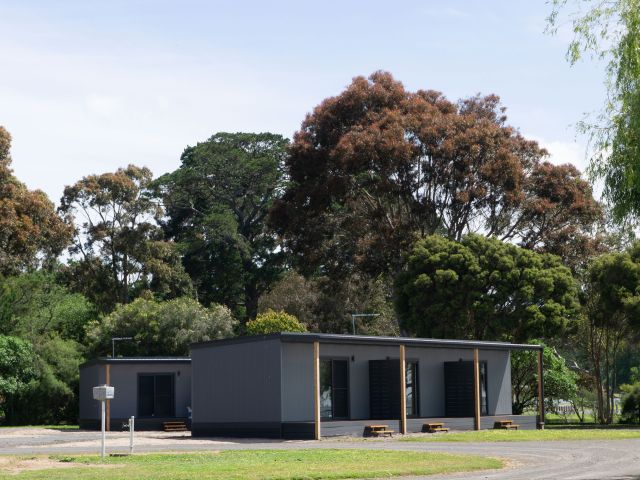
    cabin at Lake Colac Holiday Park
    Book into a cabin at Lake Colac Holiday Park.

    Lake Colac Holiday Park introduces new cabin accommodation set along the edge of a broad volcanic lake. The cabins are modern and light-filled, designed to make the most of the water views and open skies.

    Lake Colac plays an important role in local life, hosting community events and everyday rituals alike. Staying here offers insight into the agricultural heart of the Great Ocean Road region, where the pace is shaped by seasons rather than sightseeing schedules.

    Brae Restaurant great ocean road victoria
    Have a delicious lunch, then join a farm tour at Brae Restaurant. (Image: Visit Vic)

    Colac’s central location places visitors within reach of standout regional experiences. Otways Distillery’s Birregurra cellar door reflects the surrounding forest in its approach to spirits. While Brae Restaurant’s guided farm and kitchen garden tours offer a closer look at the land that underpins its acclaimed dining. Together, they highlight the strong connection between produce, place and people.

    4. Glamping tents, Apollo Bay Recreation Reserve

    Apollo Bay Recreation Reserve Glamping
    Take a breather in Apollo Bay with brand new glamping tents.

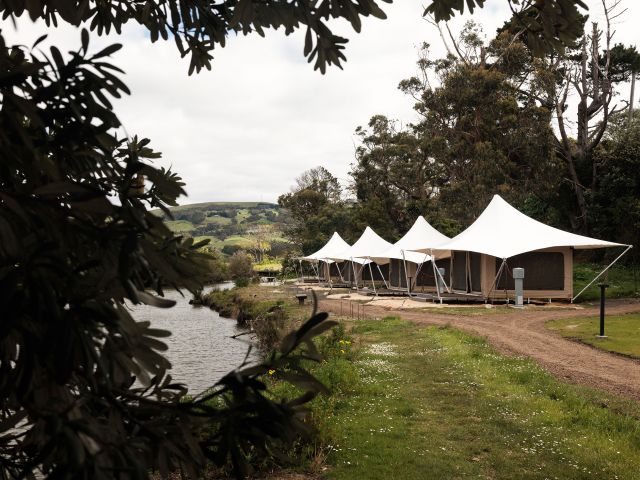
    Back on the coast, Apollo Bay has always been known to be a natural place to take a breather, sitting roughly at the Great Ocean Road’s midway point. The brand-spanking new glamping tents at the Apollo Bay Recreation Reserve offer comfortable accommodation that remains closely connected to the outdoors. With ensuite bathrooms and thoughtfully designed interiors, the cabin-tent hybrids offer enough privacy and luxuries to make the trip feel more luxurious than your standard camping affair.

    Set near the river and within walking distance of the town centre, the location allows guests to move easily between beach walks, forest drives and relaxed meals.

    A session at The Corner Sauna fits naturally into a stay here. The wood-fired sauna has become part of Apollo Bay’s way of life, offering warmth and restoration after time spent in the elements (also known as a frolic at the beach).

    Apollo Bay Fishermens Co-op
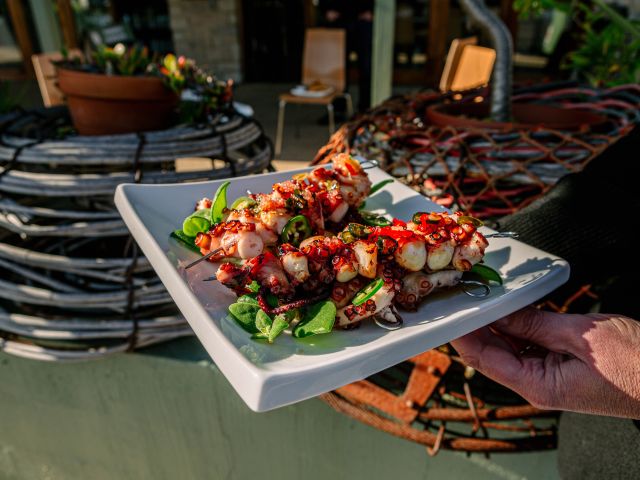
    Enjoy fresh seafood at Apollo Bay Fishermen’s Co-op.

    Apollo Bay has enough to entertain and dazzle travellers more than your average town. Graze on fresh seafood at local cafes – like Graze or Apollo Bay Fishermen’s Co-op  before venturing to nearby waterfalls. Spend hours kayaking among real-life seals, try your hand at surf lessons taught by understanding and patient guides, or simply spend your days reading a book while the surf crashes in front of you.

    Together, these new accommodation openings highlight the Great Ocean Road’s continued evolution. With more places that invite travellers to slow down and stay a little longer, the journey becomes less about rushing between landmarks and more about engaging with the unique towns along the way.

    Start planning your next trip along the Great Ocean Road at visitgreatoceanroad.org.au .