hero media

6 years after Black Summer, this popular Blue Mountains lookout is back

Credit: Destination NSW

Fire took everything at Pulpit Rock near Blackheath. Now, it has reopened, rebuilt in stone.

Pulpit Rock was off limits for nearly seven years after the Black Summer fires destroyed every piece of visitor infrastructure on the site. Now, the Blue Mountains lookout, sitting on a narrow blade of rock high above the Grose Valley, has reopened. It had been closed for public safety since the 2019–2020 summer.

The Gospers Mountain fire burned for 79 days that season. In December 2019, it swept through the Grose Valley and climbed the cliffs to the reserve. By Blue Mountains City Council’s count, the fire took 250 metres of safety fencing, 400 timber steps, the signs, the seating, the picnic shelter and the toilet.

What’s changed at Pulpit Rock
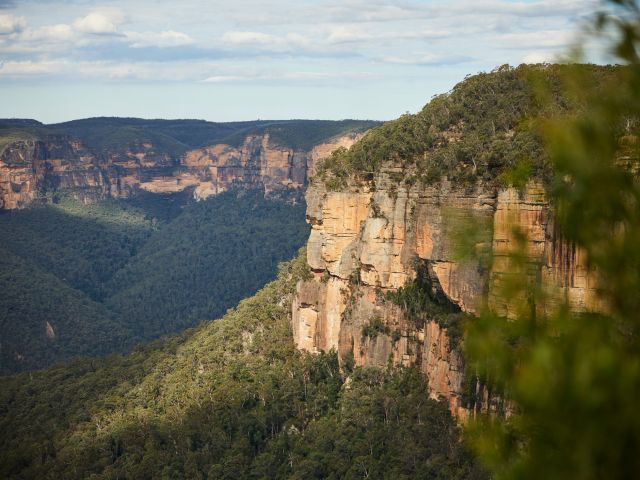
View of Govetts Leap in the Blue Mountains
The walking track to Govetts Leap lookout starts at Pulpit Rock lookout.

The council delivered the restoration in stages as funding came through. The federal Black Summer Bushfire Recovery Grants Program contributed $957,985. The NSW government contributed $3.7 million, although Member for Blue Mountains Trish Doyle says that figure also covered other Upper Blue Mountains landmarks.

The biggest change is who can now get there. A new accessible day-use area has its own lookout, along with an accessible toilet, parking, shelters and picnic facilities. The council says the design has older visitors and people with mobility impairments in mind.

“The Australian Government is proud to support the restoration of this iconic destination, helping locals and visitors reconnect with the natural beauty of the Grose Valley while improving accessibility and resilience for the future," Federal Minister for Emergency Management Kristy McBain said.

Further out along the rock, three lookouts have been upgraded. Each has new Australian Standard-compliant safety barriers, new furniture and signage, and better walking track connections. A fourth lookout, the lowest, is gone for good because geotechnical investigations found it couldn’t be safely reinstated.

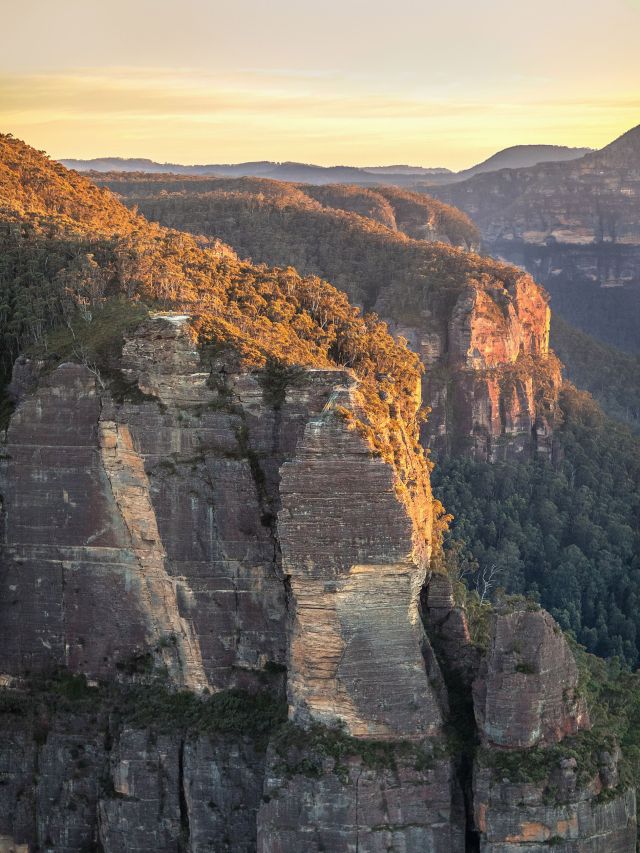
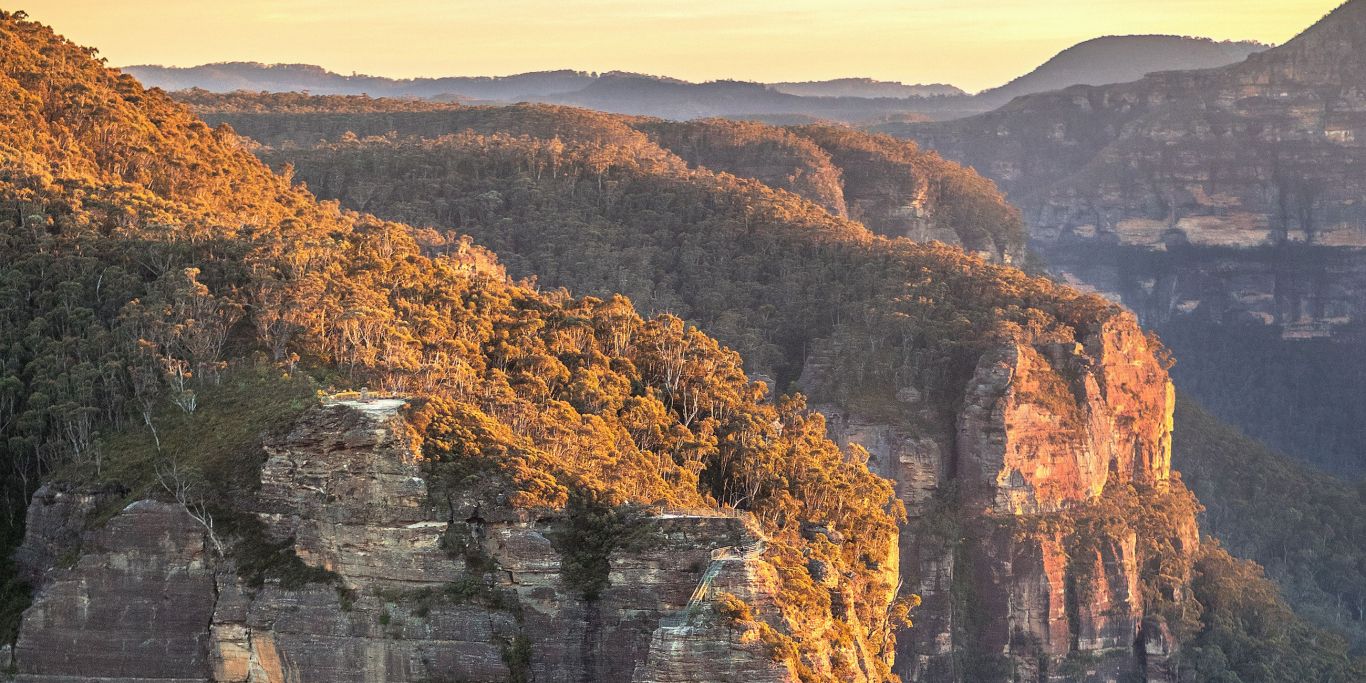
From the platforms that remain, the view is the one that made Pulpit Rock a favourite. It is an almost 360-degree sweep across the Grose Valley to Govetts Leap and the Blue Gum Forest, with cliff lines stretching out to Mt Banks.

Need tips, more detail or itinerary ideas tailored to you? Ask AT.

AI Prompt

Why the timber became sandstone

The timber infrastructure at Pulpit Rock had been replaced several times over recent decades because of bushfire damage. Black Summer was just the latest round of a cycle.

This time, the old timber has been rebuilt in sandstone to make it more resilient to future fires. The test comes soon, because the reserve reopens as the bushfire season approaches, and the Bureau of Meteorology forecasts this El Niño could be one of the strongest on record.

Pulpit Rock Lookout near Govetts Leap, Blue Mountains National Park
The lookout is now more accessible. (Credit: Destination NSW)

Here’s the catch. Blue Mountains City Council has installed paid parking at the lookout: $12 an hour, or $38 for a day pass. The day pass is the better deal for half-day and full-day visitors, but it only pulls ahead once you stay past three hours.

Blue Mountains Mayor Mark Greenhill says that local ratepayers are funding visitor infrastructure for a region he says is approaching six million visitors a year. In his view, visitors who don’t want to contribute are welcome to stay away.

Before you go

Pulpit Rock Reserve is reached from Blackheath via Hat Hill Road, and the council has upgraded Pulpit Rock Road as part of the works. NSW National Parks and Wildlife Service (NPWS) has previously warned that the unsealed approach can turn boggy after rain, so check conditions if it’s been wet. Bring water, a hat, sunscreen and binoculars.

The clifftop Pulpit walking track to Govetts Leap lookout starts here. NPWS partially closed the track on 18 September, so check park alerts before planning a walk.

Want to see more stories from Australian Traveller in your Google search results?

  1. Click here to set Australian Traveller as a preferred source.
  2. Tick the box next to "Australian Traveller". That's it.
Emily Murphy
Emily Murphy is Australian Traveller's Email & Social Editor, and in her 4+ years at the company she has been instrumental in shaping its social media and email presence, and crafting compelling narratives that inspire others to explore Australia's vast landscapes. Her previous role was a journalist at Prime Creative Media and before that she was freelancing in publishing, content creation and digital marketing. When she's not creating scroll-stopping travel content, Em is a devoted 'bun mum' and enjoys spending her spare time by the sea, reading, binge-watching a good TV show and exploring Sydney's vibrant dining scene. Next on her Aussie travel wish list? South Australia and The Kimberley.
View profile and articles
hero media

This stretch of Sydney beaches topped the annual Best Australian Beaches list

    Carla Grossetti Carla Grossetti
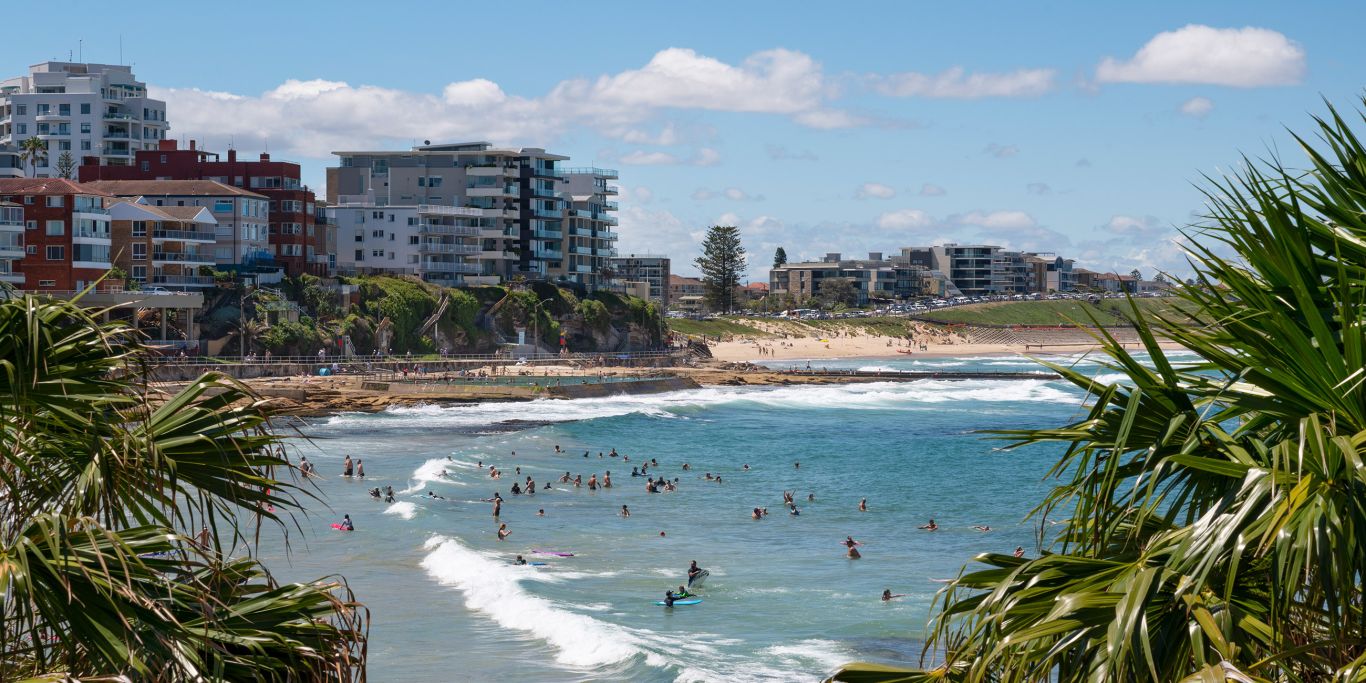
    Bate Bay’s sweep of beaches has been crowned Australia’s best for 2026, placing Sutherland Shire in the spotlight as a top coastal destination just south of Sydney’s CBD.

    The beaches fringing Bate Bay – Cronulla, North Cronulla, Wanda, Elouera and Greenhills – have topped Tourism Australia’s 2026 list of best Australian beaches (as curated by Beach Ambassador Brad Farmer). For locals, it’s less revelation, more recognition.

    The mood shifts from the moment you step off the T4 train service from Central to Cronulla and catch a glimpse of the ocean. At dawn, the Esplanade is already buzzing with regulars, and by mid-morning, parents have staked out a toasty spot on Cronulla Beach where excited toddlers clamber over rocks, and the Jellybean swim squad at Oak Park have donned their bright pink caps while singing Oh, What a Beautiful Mornin’.

    By the afternoon, towels are being collected from across the sand as visitors wander back to Cronulla in loose formation.

    North Cronulla beach
    Dive into the world’s best beaches.

    That’s the thing about Bate Bay beaches. This isn’t a story about a single beach. This long, uninterrupted sweep of sand and sea, where you can walk for kilometres without breaking stride, is not just enjoyed over summer; it’s a year-round destination. Here, Cronulla’s buzz gives way to Wanda’s wild edges, before stretching out to the quieter reaches of Greenhills.

    But while Bate Bay’s beaches may have taken top honours in the 2026 Best Australian Beaches list, they’re only part of the drawcard. Sutherland Shire stacks up as a full-spectrum coastal escape, where good food, national park adventures and on-the-water experiences sit within easy reach of the shoreline. Whether you’re planning a long weekend or stretching out a stay, here’s how to make the most of Cronulla beyond the sand, sea and surf.

    Beyond the beaches

    Dining

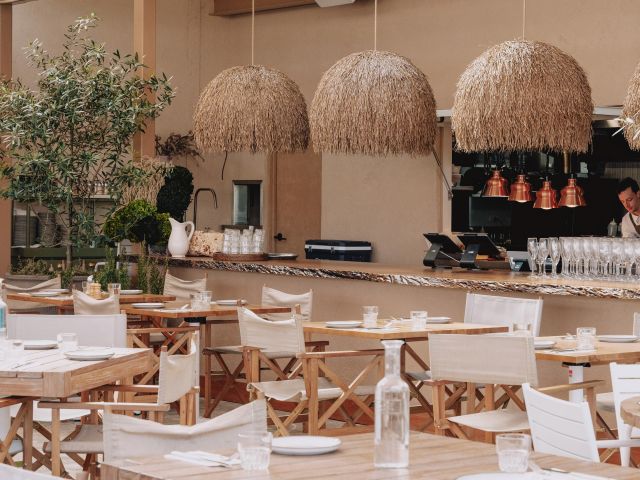
    the dining room at Pippis Cronulla
    Enjoy a sundowner by the sea at Pippis Cronulla.

    The Sutherland Shire dining scene delivers from early morning to late at night with a mix of vibrant cafes, bars and pubs. Start your day at Grind Espresso, where the coffee comes strong and fast. From there, drift towards HAM for pastries, best eaten buttery warm.   

    By midday, locals linger across sun-lit tables. Loaf and Next Door appeal to the surfers who come in for snacks after chasing waves. Blackwood’s Pantry and The Press are also popular for breakfast and lunch, while Pilgrim’s continues to hold a special place in the hearts of vegans.

    Newer arrivals signal where Cronulla is heading: Homer Rogue Taverna is being hailed as one of the best restaurants in Cronulla, with the confidence that comes from understanding what locals want. Ask a local to reveal their favourite restaurant for a special occasion, and it’ll likely be Pino’s Vino e Cucina al Mare, Yalla Sawa or Alphabet Street. Summer Salt, Sealevel, Benny’s, Bobbys and Pippis are a few of the best waterfront restaurants in the Shire.

    Finally, when most places are winding down, Duke’s Providore shifts gears to become Duke’s After Hours – a low-lit romantic spot perfect for a date night. Parc Pavilion, Northies Cronulla and bars The Blind Bear, Las Chicas and Low & Lofty’s are also part of Cronulla’s identity.

    Visit Bundeena

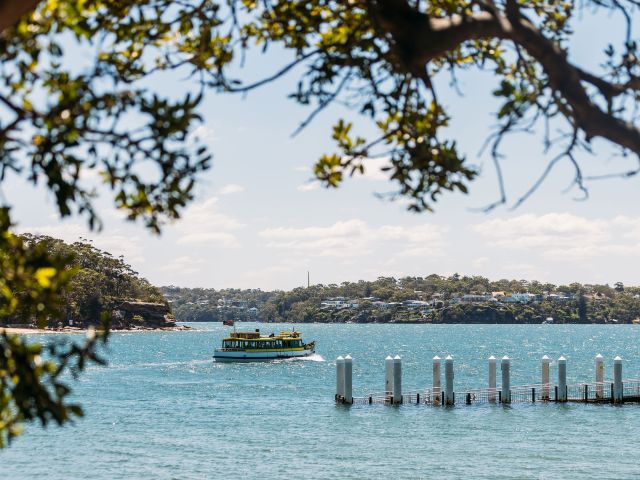
    Bundeena Ferry Wharf
    Catch a ferry to Bundeena.

    A short ferry ride from Cronulla, Bundeena offers a counterpoint to Cronulla’s mighty surf beaches. If Cronulla is the Shire’s social heart, Bundeena – or Bundenesia, as it’s affectionately known – is the place to go to exhale and unwind.

    Hop on the ferry from Cronulla, and within 30 minutes, you’ll be inhaling the eucalyptus-scented air. Check the creative pulse of the local community by timing your visit with the Bundeena Maianbar Art Trail on the first Sunday of every month.

    One of the best things to do in Bundeena is paddle into Cabbage Tree Basin with Bundeena Kayaks. Follow the five-kilometre Jibbon Beach Loop Track that leads past quiet coves to ancient Indigenous rock art, or simply find a stretch of pearl-white sand to relax on.

    Pristine walking trails

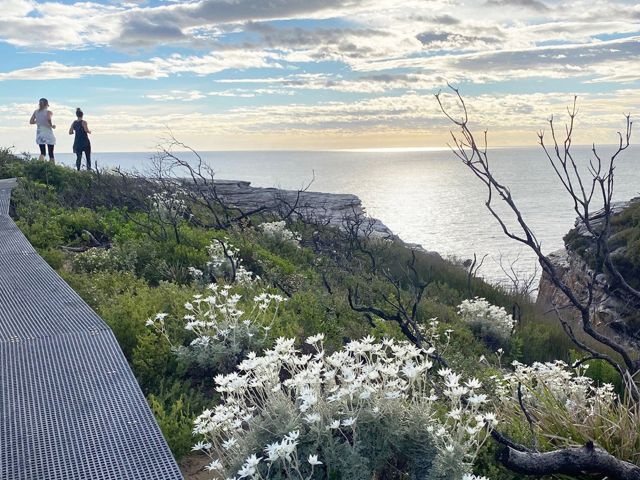
    Royal National Park Cape Baily Walking Track
    Cool off with a coastal stroll.

    Beyond the coastline, Sutherland Shire offers myriad ways to shift gears. Royal National Park – the oldest national park in Australia – sits just minutes from the surf. Clifftop walks trace the edge of the continent, the rugged bushland is threaded with creeks and hidden waterfalls, and a network of tracks rewards those willing to go a little further.

    Take the Coast Track, where the land drops cleanly into the ocean over sheer cliffs that have been stacked together like giant Jenga. Or veer inland, where pockets of forest cool the air and filter the light. It’s a reminder of how close nature sits to the bustle of suburbs in the Sutherland Shire.

    Enjoy whale watching

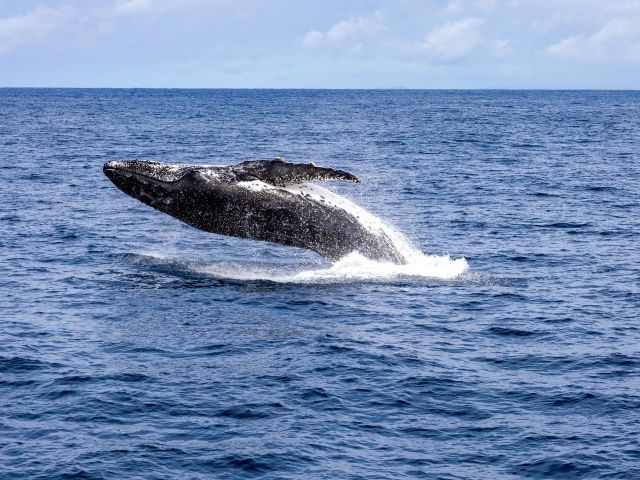
    humpback whale sighting noosa experiences
    Spot whales from May to October. (Credit: The Edit Suite)

    Twist your binoculars until the ocean is in focus, stretched like a creased blue sheet all around.  Come May, the East Coast becomes the humpback highway. Thousands of whales migrate along this stretch of coastline each year, their movements tracked by keen eyes from vantage points like the Cape Solander platform in Kamay Botany Bay National Park, one of the best places for whale watching in Australia. There’s something quietly thrilling about seeing that first telltale spout or the arc of a breaching body against the vastness of the sea. From June to October, whale-watching cruises depart from Cronulla, offering a closer look at the migration.

    Awards come and go. But places like Cronulla endure because they belong as much to the visitors as they do the early-morning swimmers, walkers and surfers.

    Plan your escape at visitsutherlandshire.com.au.