The scenic Sydney bushwalk you’ve probably never heard of.
Tucked away in scenic northern Sydney, there’s a bushwalk that feels more like a scene from a storybook than a stroll through suburbia. The Fairyland Loop Track lives up to its name, offering a quiet escape from the city where towering gums, tweeting birds and a fascinating past weave together a touch of everyday magic. Weekend plans? Sorted.
The location – where is it?
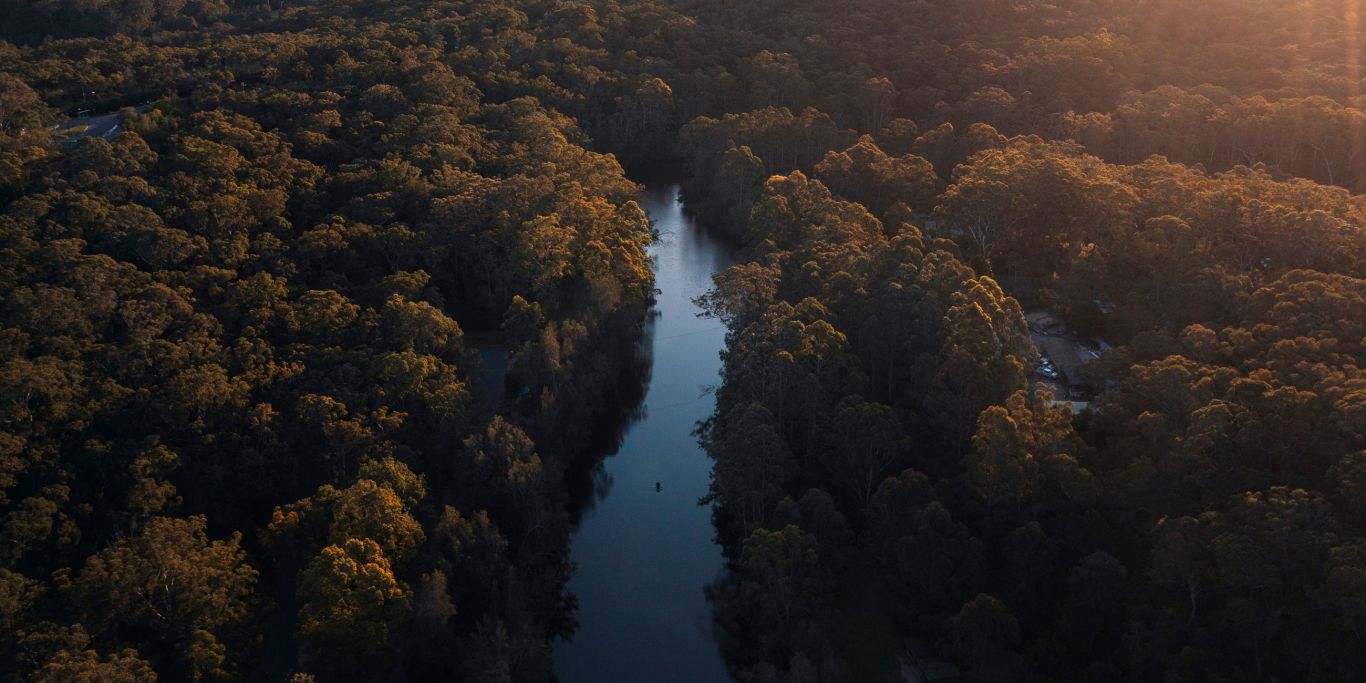
The Fairyland Loop Track sits within Lane Cove National Park. (Image: Destination NSW)
Sydneysiders are truly blessed when it comes to walking trails. Thanks to our city’s unique position between the ocean and mountains, we’ve got access to some truly spectacular coastal hikes and bush walks. But as outdoor-loving folk, many of them have become more crowded corridors than peaceful paradises.
Yet among the well-trodden trails, a few enchanting corners remain relatively untouched, including the Fairyland Loop Track. Hidden within Lane Cove National Park on the Traditional Lands of the Cammeraygal people, this stunning bushwalk feels like its own little slice of serenity.
The history – why is it called Fairyland?
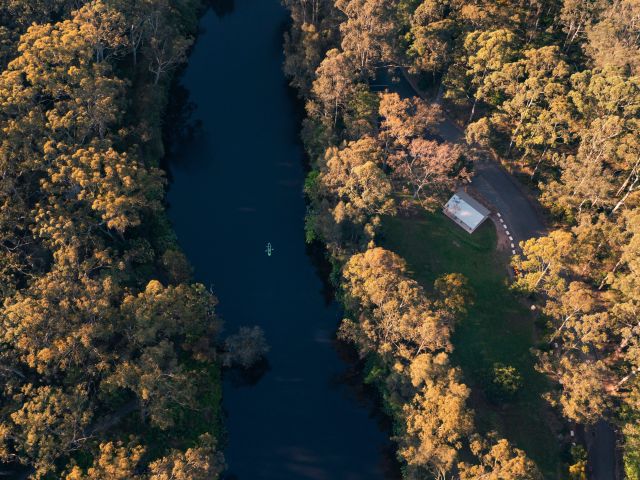
The walk inherited its name from the Fairyland Pleasure Grounds. (Image: Destination NSW)
The walk gets its name from the historic Fairyland Pleasure Grounds. Purchased by the Swan family in the late 1800s, the land was originally used to grow crops of strawberries and watermelons. But after noticing the success of other pleasure grounds downstream, the family transformed the area into a recreational retreat.
They planted evergreens and palms, painted fairytale figures on trees and scattered wood-carved characters across the grounds, which became known as Fairyland. A slide in the shape of a sleeping giant soon followed, as well as a kiosk, flying fox, wooden pirate ship and a netted area for river swimming.
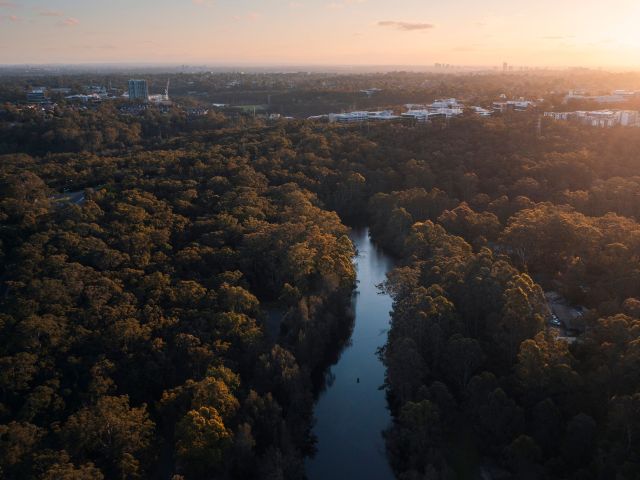
The park sits among urban sprawl but retains its peaceful charm. (Image: Destination NSW)
Accessible only by ferry, the site drew crowds for decades until the 1960s, when a series of floods forced its closure. Although by then, it had already begun to lose its magic. The once-remote setting had been increasingly encroached on by expanding suburbs, the rise of motor cars and the opening of nearby Epping Road Bridge.
In the late 1970s, the land was acquired by the NSW National Parks and Wildlife Service , which began restoring the abandoned plot and regenerating the overgrown vegetation. Today, nature has almost completely reclaimed the site; a pair of rusted gateposts is all that remains.
The experience – what’s it like?
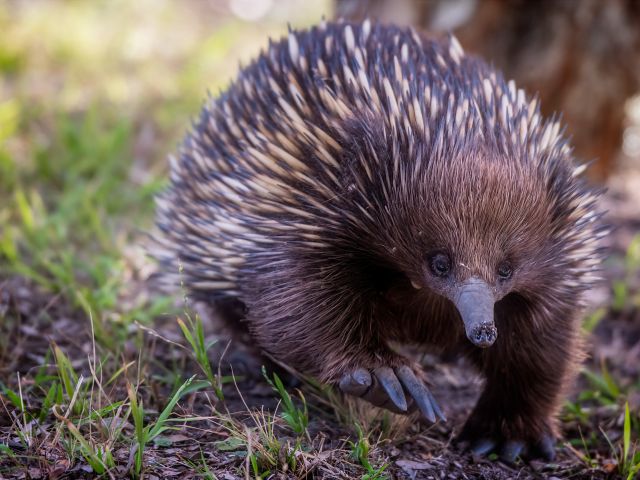
Keep an eye out for native wildlife, including adorable echidnas. (Image: Getty/Tracie Louise)
Starting and ending at Fullers Bridge, the Fairyland Loop Track meanders 5.3 kilometres and takes roughly an hour to complete. And while it’s great for getting your steps up, the walk is also an invitation to slow down and reconnect with nature.
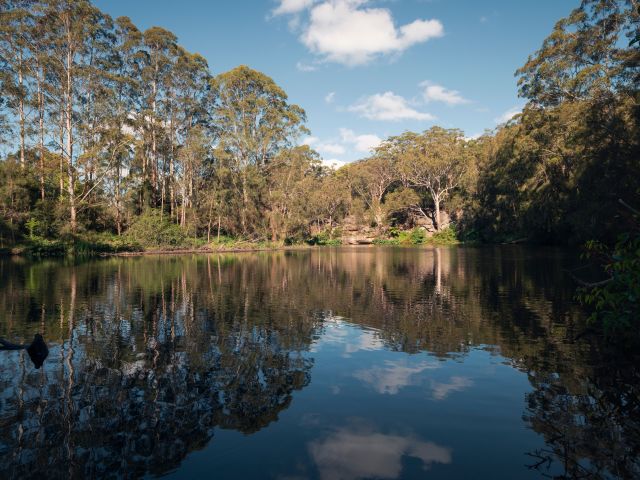
You’ll wander under ancient eucalypts along well-marked paths down to the river, where a boardwalk winds along the water’s edge. There, you’ll find plenty of quiet spots to sit and admire the view, so be sure to pack a picnic lunch.
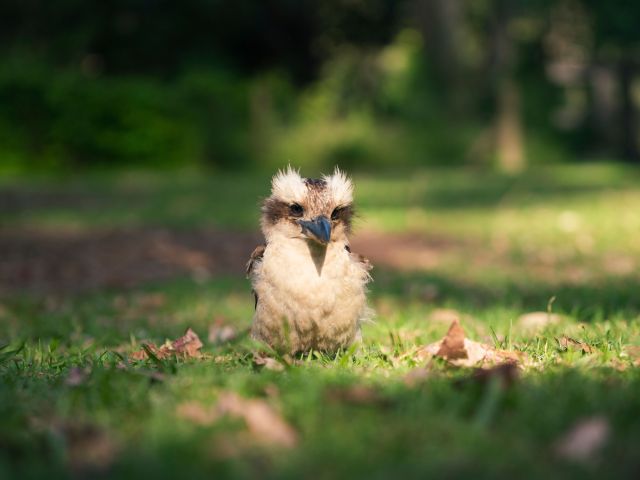
Lane Cove National Park is also a haven for local flora and fauna. Native species thrive here – from scribbly gums, flannel flowers and old man banksias to kookaburras, swamp wallabies and even echidnas. Not only that, but the river provides a wetland ecosystem that allows swamp wallabies, ducks, green tree frogs and a range of saltwater fish species to flourish.
A plethora of bird species call the national park home. (Image: Destination NSW)
It’s also a birdwatcher’s paradise, with a plethora of native bird species calling the national park home. Bring your binoculars to spot kookaburras, superb fairy wrens, sulphur-crested cockatoos, azure kingfishers, crimson rosellas and tawny frogmouths – the official 2025 Australian Bird of the Year.
The details – how do I get there?
The Fairyland Loop Track sits within Lane Cove National Park, about a 25-minute drive from Sydney’s CBD. Entry costs $8 per vehicle, per day. Start at Koonjeree Picnic Area, where you’ll find public toilets and plenty of parking just a short stroll from the trailhead.
Taylah Darnell is Australian Traveller's Writer & Producer. She has been passionate about writing since she learnt to read, spending many hours either lost in the pages of books or attempting to write her own. This life-long love of words inspired her to study a Bachelor of Communication majoring in Creative Writing at the University of Technology Sydney, where she completed two editorial internships. She began her full-time career in publishing at Ocean Media before scoring her dream job with Australian Traveller. Now as Writer & Producer, Taylah passionately works across both digital platforms and print titles. When she's not wielding a red pen over magazine proofs, you can find Taylah among the aisles of a second-hand bookshop, following a good nature trail or cheering on her EPL team at 3am. While she's keen to visit places like Norway and New Zealand, her favourite place to explore will forever be her homeland.
Underpinned by grassroots hospitality and award-winning organic produce, the Central Coast’s gastronomy scene is thriving, with the region quickly becoming one of the best destinations in NSW for epicures.
Revered for its rugged natural splendour and laid-back seaside charm, NSW’s Central Coast has soared in popularity in recent years, becoming a top choice for an affordable slice of weekend escapism for Sydneysiders. Just a short 45-minute drive north of Sydney, it’s the kind of place that, no matter how many times you visit, leaves you with the sense that there’s always more to uncover. But while the ocean pools, bushwalks and beaches have (rightly) taken the spotlight, it’s the Central Coast food offerings which have been quietly simmering in the background.
From fresh-as-it-gets seafood and juicy organic citrus you can pluck yourself, through to regenerative farming and reputable farm-to-fork dining, this coastal gem has become an idyllic foodie mecca. Here are some of the best ways to immerse yourself in grassroots hospitality and gastronomic glory on the NSW Central Coast.
From picking your own, to farm-to-table, discover the best Central Coast food experiences. (Image: Remy Brand)
Central Coast oyster experiences
From humble grub to opulent delicacy, oysters have ascended into a league of their own. Epicureans are fascinated by them – willing to pay upwards of $35 per dozen (double at some of Sydney’s reputable fine dining restaurants) – and ‘shuck bars’ seem to be popping up at every milestone celebration.
But it’s rare to find places that really draw back the curtain on how they’re farmed and why everyone is mad for these molluscs. The Central Coast , however, is home to several of these venues. With its pristine waters, mild climate and nutrient-rich estuaries, it’s the perfect breeding ground for oysters.
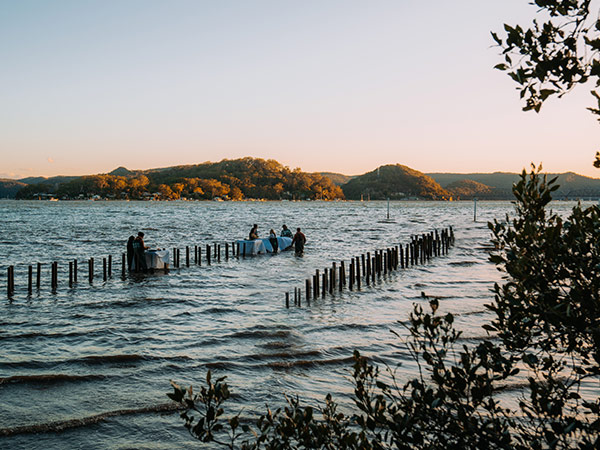
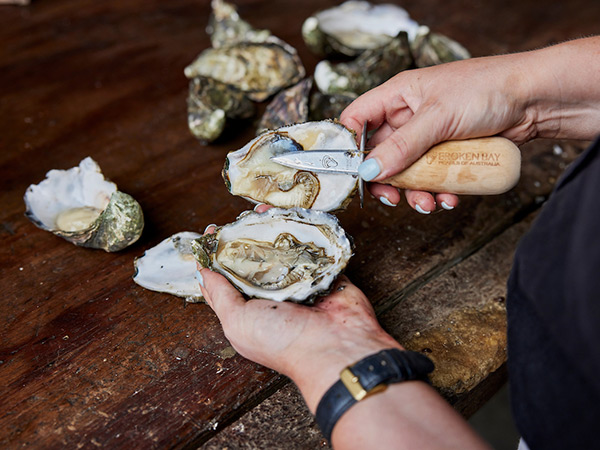
Learn about oyster farming and, importantly, how to shuck them at Sydney Oyster Farm Tours . Nestled on the Hawkesbury River at Mooney Mooney, Sheridan Beaumont and her team offer a hands-on foodie experience where you can feast on dozens of oysters (white tablecloth and all) while wading through the calm waters. You can even bring your own bottle of bubbles to wash them down.
Learn tricks of the trade at Sydney Oyster Farm Tours. (Image: Remy Brand)
Elevate your oyster knowledge even further by heading north over the Hawkesbury River Bridge to the Hawkesbury River Oyster Shed . Tour their scenic oyster leases and saltwater paddocks by boat to uncover the distinct characteristics of the Sydney rock oyster and creamy Pacific oyster. They’ve also partnered with Broken Bay Pearl Farm to offer a one-of-a-kind oyster and pearl farming guided tour, showcasing the Central Coast’s very own pearl oyster, the Broken Bay ‘Akoya’. But if you’re simply in the mood to devour a dozen delectable oysters while soaking in the tranquil river views, pull up a chair at the shed. It’s friendly in every sense of the word: pets, families and BYO welcome.
Taste freshly shucked oysters at Broken Bay Pearl Farm. (Image: James Horan)
Central Coast farms to pick your own fruit
While the Central Coast is known for its breathtaking 40 beaches and 80-kilometre coastline, its lush hinterland is equally impressive – abundant with orchards and agriculturally rich farmland. And when it comes to the simple joy of picking your own fruit, the Central Coast is a ripe playground.
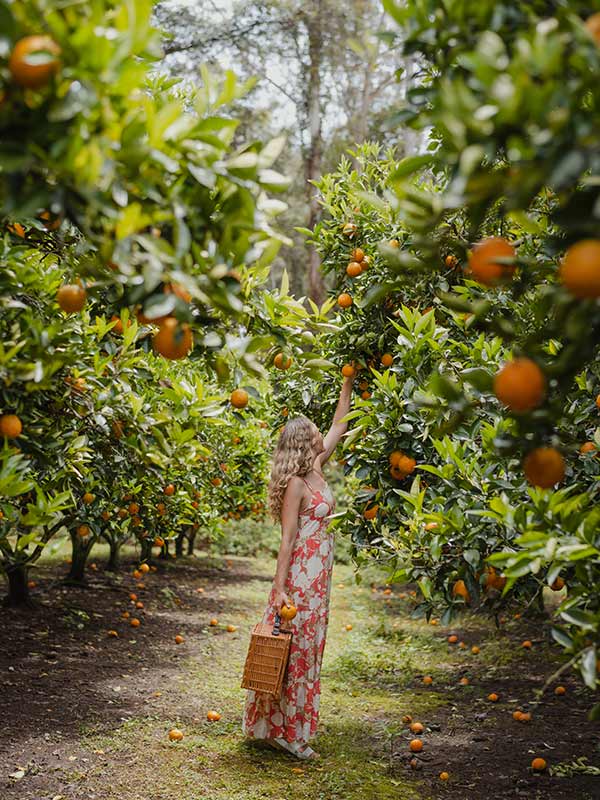
Family-owned Meliora Farm at Peats Ridge is an orchard that blends conventional, biodynamic and organic philosophies. Third-generation farmer Tim Kemp and his wife Elise are dedicated to honouring the family legacy by growing a rich variety of oranges, lemons, limes, mandarins and avocados. In late May, roam the sustainable and nutrient-dense property during ‘Pick Your Own’ weekends.
Eastcoast Beverages is another bountiful citrus orchard boasting over 60 hectares of fruit. From June you can learn about the cultivation of high-quality ingredients – like lemons, limes, grapefruit and oranges – by touring both the farm and factory before setting out and picking your own straight from the source. You can also sample an array of citrus-inspired sweet and savoury treats at their on-site cafe, Bambino’s .
If it’s just juicy oranges you’re after, Cedar Farm in Dooralong is a must-visit. Located about 30 minutes north of Peats Ridge, it features 15 flourishing orchards and over 3000 orange trees – with take-home bags during the season (from July) at low prices. Not bad for a fruity weekend haul.
Pick your own citrus fruits on the Central Coast. (Image: James Vodicka)
Organic dining
What makes the Central Coast hinterland so special is the unwavering respect the communities have for their cherished backyard. Locally owned and operated farms are all striving for more sustainable practices and methods to both enhance biodiversity and reduce environmental impact, each with a heartwarming food philosophy.
The Food Farm in Wyong Creek believes good food is worth both the work and the wait. Devoted to regenerative farming, first-generation ‘farmily’ Tim Eyes and Hannah Greenshields are recognised for their grass-fed, grass-finished beef and pasture-raised, gold medal-winning chickens. With an open gate policy, The Food Farm encourages visitors to swing by and try some of their slow-grown produce at their small ‘honesty’ farm shop. With no staff, you can pick up a few quality cuts of meat and pasteurised eggs, leaving the owing amount in cash or via eftpos.
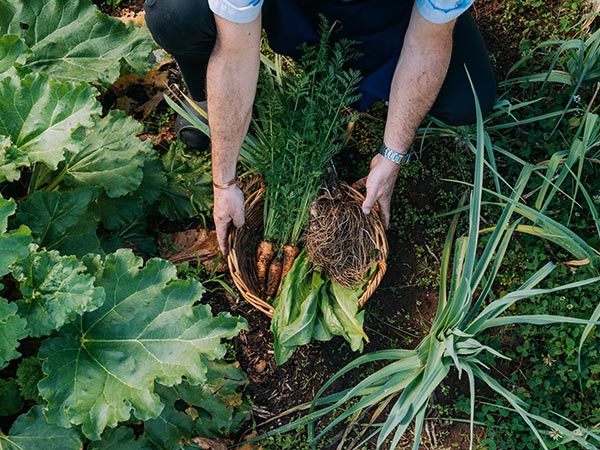
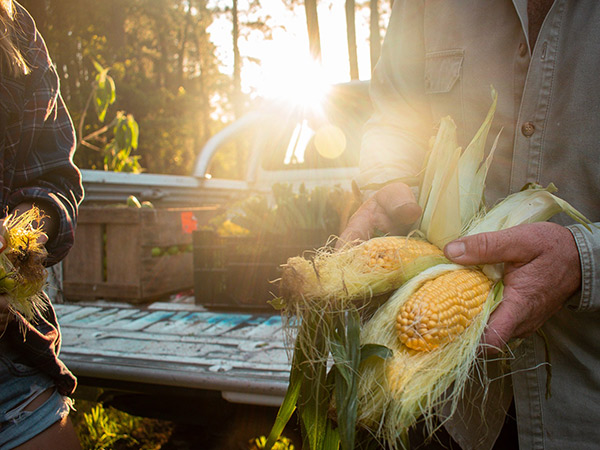
Keeping the spirit of generational organic farming alive is Fanelli Organics . Nestled in the Central Coast’s scenic and sleepy Mangrove Mountain, founders Eden and Louise Fanelli own over 45 hectares of plentiful farmland and orchards that produce a huge range of organic fruit and vegetables, like purple Dutch carrots, blood oranges, broccoli and Tuscan kale. A true home-grown operation, Fanelli Organics shares its fresh produce with local restaurants and community markets, including the beloved markets at Like Minds Cafe at Avoca Beach every Wednesday afternoon.
See where your food comes from at Fanelli Organics.
Paddock-to-plate dining
High-quality ingredients go hand in hand with premium dining, and the Central Coast is home to several paddock-to-plate restaurants that showcase its diverse and rich agriculture. Paired with warm, grassroots hospitality, there are culinary triumphs, new menus and revered chefs constantly popping up, putting the local dining scene firmly on the map.
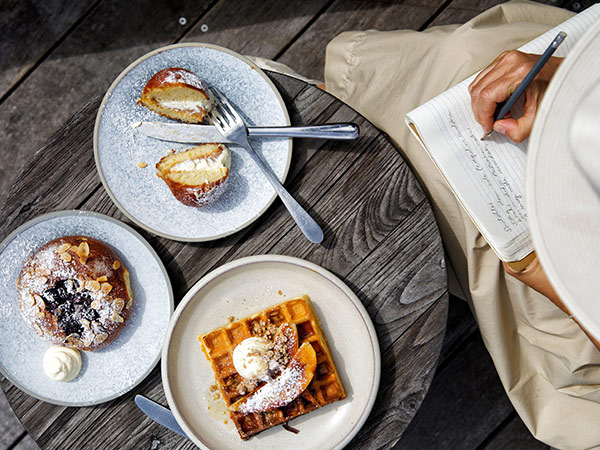
Award-winning Mount White restaurant Saddles is a quintessential Australian dining destination, dedicated to country-style cooking and seasonal produce. Nestled in thick bushland with wraparound verandahs, floral gardens and an idyllic dam, the gourmet homestead and bakehouse is unlike any restaurant on the Central Coast. Here, head chef Reece Collins and his team serve up an impressive breakfast and lunch menu that oozes rustic charm. Pull up a comfy armchair on the expansive deck, listen to birdsong, and tuck into flavoursome dishes like the farmhouse Benedict with honey-cured ham, lemon myrtle hollandaise and Warrigal gremolata, or the hearty beef brisket pie with confit garlic potato purée and rainbow chard.
Taste country-style cooking at Saddles. (Image: Destination NSW)
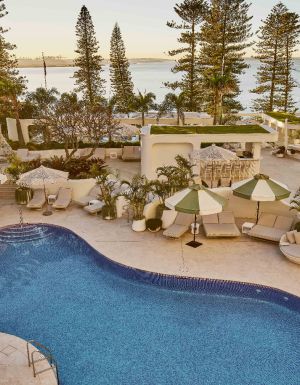
Delivering a slice of sophistication and luxury to the shores and bushland of Bouddi Peninsula is Bells at Killcare . One of the few boutique resorts on the Central Coast, it’s known for its premium service and five-star suites, as well as its bountiful kitchen gardens that boast an orchard, olive trees, avocado trees, free-range hens and a honey bee hive.
Cameron Cansdell has returned to Bells at Killcare as head chef, bringing his expertise to the casual yet refined menus that feature a raw bar with Oscietra caviar, freshly shucked Sydney rock oysters and Moreton Bay bugs, all served alongside optional matched wines. Sample some of Australia’s best regional wines and standout dishes, like roasted Wollemi duck with grilled leeks, rocket, grilled grapes and 10-year-aged balsamic, or the shareworthy salt-crusted snapper with herb salad and salsa, before roaming the picturesque gardens, wine in hand.
Sample incredible wine, cocktails and dishes at Bells At Killcare. (Image: Nikki To)